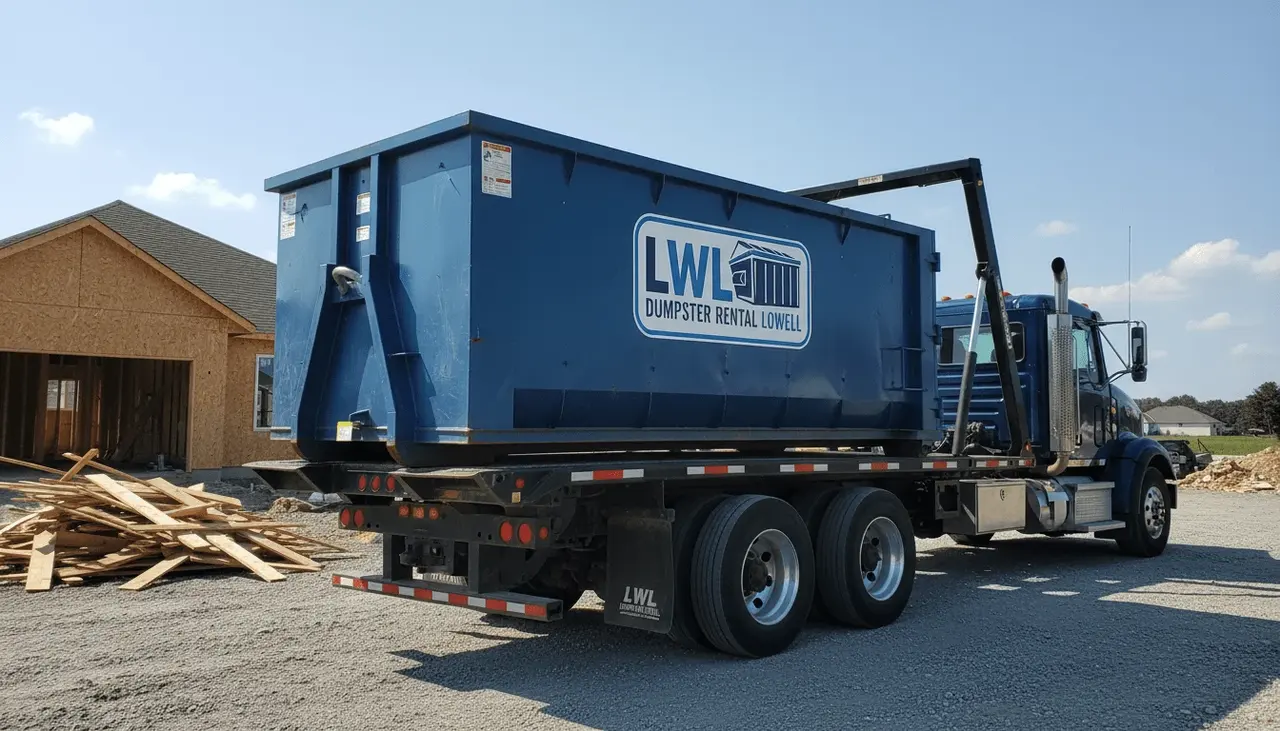
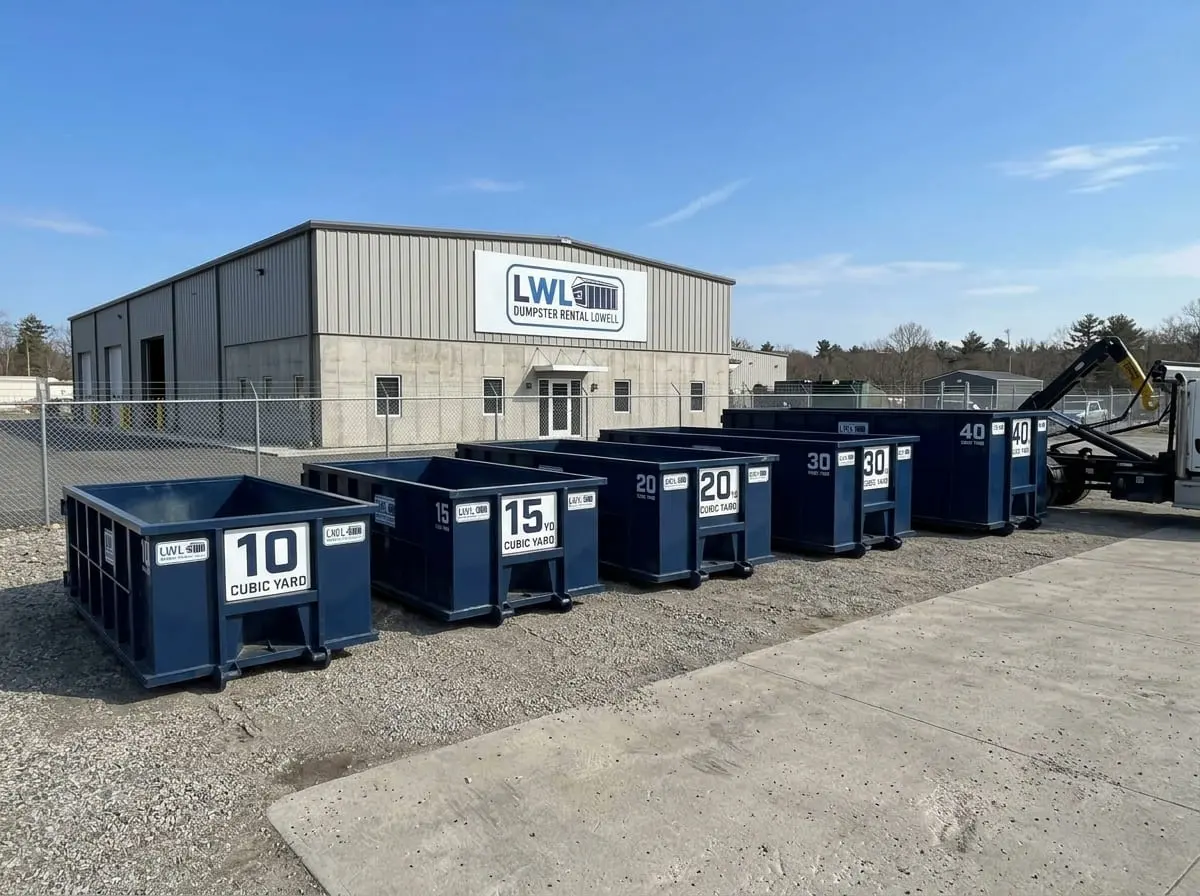
What Size Dumpster Do I Need for Your Project? | LWL
A practical Lowell, MA guide to choosing the right dumpster size, from a 10-yard garage cleanout to a 40-yard new-construction job, including weight limits and real local project examples.
ReadLowell, MA guide
A walk through five representative Lowell-area projects, one for each dumpster size, showing why each size fit and what actually filled the container.
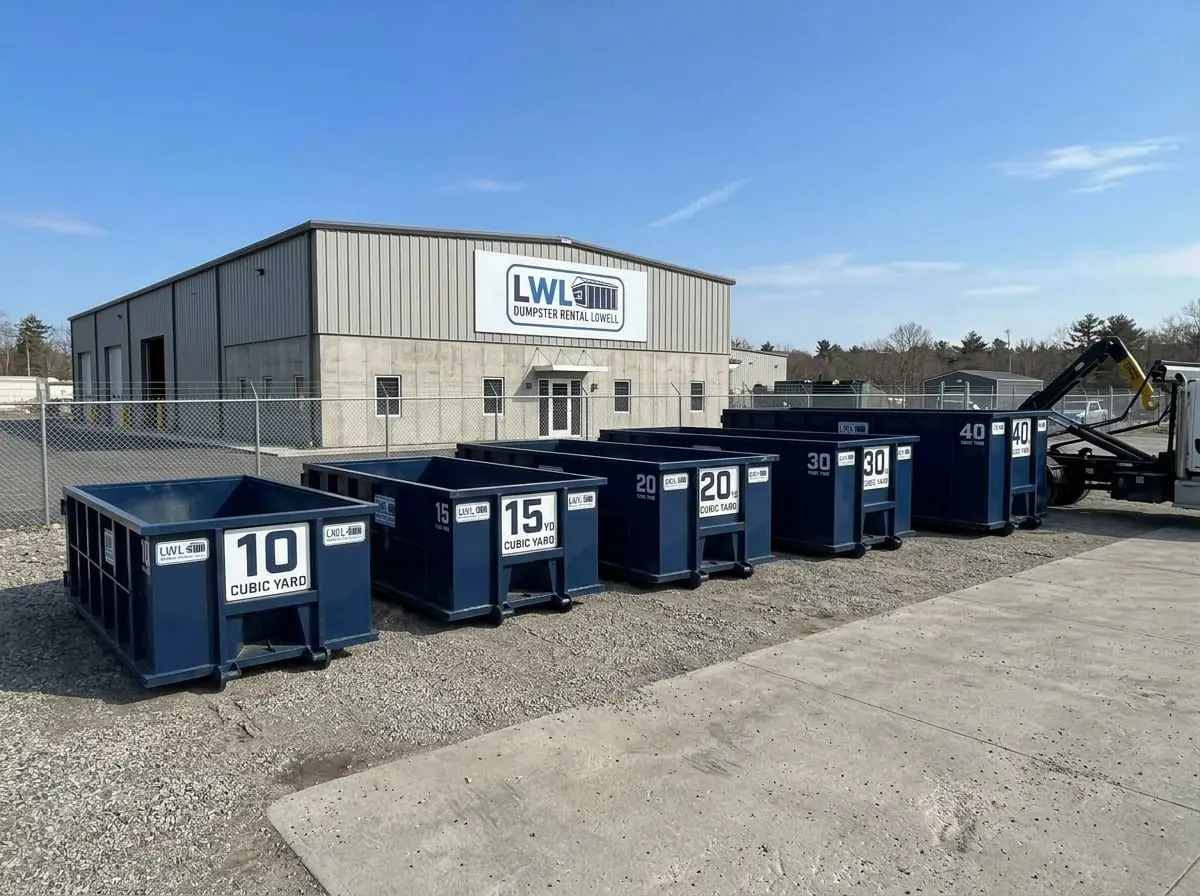
A size chart tells you cubic yards and outside dimensions. It doesn't tell you what actually piles up on a real job, and that's usually the harder question. Most callers to LWL Dumpster Rental don't know how many cubic yards a gutted kitchen produces or whether a roof tear-off will run heavy enough to matter. They know their project, not the math behind a roll-off container.
So instead of another abstract chart, here are five representative examples pulled from the kinds of jobs we load out across the Lowell area every season, one for each size we carry. These are typical, illustrative scenarios built from patterns we see again and again on jobs across our service area, not a specific customer's file, but they're the exact shape of project each size is built for. If you'd rather work through a more calculator-style method first, our guide on how to figure out what size dumpster you need covers the underlying logic in more depth. This one is meant to sit alongside it, showing the reasoning applied to five real project types instead of a formula.
Lowell is a city of classic triple-deckers, especially through The Acre, Centralville, and the Highlands, and those third-floor attics and cellar bulkheads tend to accumulate decades of belongings between tenants. A typical job here: a landlord clearing out an attic crawlspace and a damp basement ahead of a unit turnover, hauling out old furniture, water-damaged boxes, a broken window unit, some scrap lumber left behind by a previous handyman, and bagged household debris. Nothing structural, nothing especially heavy, just a lot of volume tucked into an awkward, low-clearance space.
A 10-yard dumpster handled it easily. It's the right call whenever a project is mostly bulky household items and general debris rather than dense construction material, and its small footprint mattered here too, since triple-decker driveways and tight side yards in older Lowell neighborhoods don't always leave room for a larger box. This same size shows up constantly for garage cleanouts, small decluttering jobs, and single-room decluttering ahead of a sale, anywhere the volume is real but the material itself is light.
A mid-size kitchen gut in Chelmsford is a common example of a 15-yard job. Picture a homeowner replacing cabinets, countertops, and flooring in a kitchen that hasn't been touched since the house was built: old wood cabinets pulled off the wall, a section of water-damaged subfloor near the sink, cracked tile, a dated laminate countertop, and the drywall dust and scrap left over from opening one wall to relocate an outlet.
That mix is denser than a simple household cleanout but well short of a full-home gut, which is exactly what a 15-yard dumpster is built for. It's our most common size for single-room remodels, kitchens and bathrooms alike, because it comfortably swallows cabinetry and flooring debris without paying for capacity the project won't use. We see the same pattern on bathroom remodels in Billerica and Tewksbury and on smaller basement finishing jobs throughout the service area, wherever one room's worth of demolition needs a home.
Roofing debris is a different animal because it's heavy for its volume, not bulky. A representative Dracut job: a mid-size colonial with two layers of aging asphalt shingles being torn off down to the deck, along with old felt paper, some cracked flashing around the chimney, and a run of rotted drip edge. Visually the pile in the driveway doesn't look enormous, maybe waist-high in spots, but shingles are dense, and weight limits matter more here than the container's rated volume.
A 20-yard dumpster is the standard call for a tear-off in this range, sized around the weight a typical single or double-layer roof produces rather than how tall the pile sits in the box. A steeper roof, a third layer of old shingles, or a larger footprint can push a job toward a heavier-duty setup, which is exactly why we ask a few extra questions about layers and square footage before booking a roofing job. For a closer look at how roofing weight changes the sizing math project by project, our full roofing tear-off dumpster sizing guide breaks it down in more detail.
A whole-house renovation in Tyngsborough is a good illustration of why volume, not just weight, drives the bigger sizes. Think of a full interior gut across a kitchen, two bathrooms, and a finished basement: old cabinetry throughout, plaster and lath from original walls coming down room by room, flooring pulled from three levels, a demolished bathroom vanity and tub surround, and framing lumber from a reconfigured closet layout.
That's a lot of bulky, low-density material spread across multiple rooms and multiple trades over several weeks, and it's exactly the scenario a 30-yard dumpster is designed to absorb without needing a swap partway through the job. Multi-room gut renovations, larger additions, and whole-house demolition prep are where this size earns its keep, since a general contractor juggling several trades doesn't want a dumpster capacity conversation added to an already tight schedule.
New builds generate a huge amount of debris that's mostly light and bulky rather than dense: cardboard and shrink-wrap packaging from cabinets and appliances, cut-offs from framing lumber, scrap siding and housewrap, and pallet material from delivered supplies. A representative example from Nashua, NH: a new single-family build in the framing-to-finish stage, where the crew needed one container on site continuously rather than several smaller swaps timed around each delivery.
That's the case for a 40-yard dumpster, our largest size. It's built for exactly this kind of sustained, high-volume job, new construction, large-scale demolition, or a big commercial cleanout, where the crew needs maximum capacity parked on site rather than frequent turnarounds interrupting the work. Because so much new-construction debris is light, the container tends to fill by volume long before it comes close to a weight limit, the opposite problem from the roofing example above.
Lined up together, the pattern across sizes becomes easier to see. Each row below reflects one of the representative projects covered above.
| Size | Representative Project | What Typically Fills It | Best Fit For |
|---|---|---|---|
| 10 yard | Triple-decker attic and basement cleanout, Lowell | Furniture, boxed belongings, light scrap wood, bagged debris | Household cleanouts, tight driveways, small decluttering jobs |
| 15 yard | Kitchen remodel, Chelmsford | Cabinets, countertop, subfloor, tile, drywall scrap | Single-room remodels, kitchens and bathrooms |
| 20 yard | Roofing tear-off, Dracut | Asphalt shingles, felt paper, flashing, drip edge | Roof replacements, mid-size garage or deck demo |
| 30 yard | Whole-home renovation, Tyngsborough | Cabinetry, plaster and lath, flooring, framing lumber | Multi-room gut renovations, additions |
| 40 yard | New construction, Nashua NH | Framing offcuts, packaging, siding, pallet material | New builds, large demolition, big commercial cleanouts |
Look closely and the pattern isn't really about room count or which town the job is in, it's about density versus volume. A roofing tear-off in Dracut doesn't look like much material sitting in the driveway, but shingles are heavy enough that a smaller container hits its weight limit before it looks full. A new-construction job in Nashua produces a mountain of material by comparison, but most of it is light packaging and lumber scrap, so it takes a much larger box to reach the same practical limit. Renovation debris from a Tyngsborough whole-home gut or a Chelmsford kitchen sits in between: dense enough to add up quickly, but bulky enough that volume, not weight, ends up deciding the size.
The other constant across every example is that nobody guessed. Each project got sized around the actual materials coming out of the house or the site, not a rule of thumb based on square footage alone. That's the habit worth borrowing for your own project, and it's the same reasoning we apply whether the address is in downtown Lowell, out toward Westford and Pepperell, or across the state line in New Hampshire.
These five sizes stay in rotation year-round, but which example shows up most often shifts with the calendar. Late spring into August, UMass Lowell's three campuses drive a wave of student move-outs and apartment turnovers, and the demand that follows looks a lot like the triple-decker attic cleanout above: fast, mostly bulky household items, and usually a 10 or 15-yard container. Roofing jobs like the Dracut example tend to cluster in late spring through fall, once winter ice and snow load have finished exposing the roofs that need replacing. And renovation projects on the scale of the Tyngsborough whole-home example or the Nashua new-construction example run heaviest through the warmer months, when crews can work efficiently and homeowners are more willing to live around an open kitchen or a construction schedule for a few weeks. None of that changes which size fits a given project, but it does mean booking a little further ahead during peak season helps guarantee the size and delivery window you actually want.
Start by matching your project type to the closest example above, not the exact town. A bathroom gut in Billerica or Tewksbury behaves like the Chelmsford kitchen example. A deck tear-off in Westford or Pepperell behaves more like the roofing example if the decking is dense, treated lumber, or the attic cleanout example if it's mostly light debris. A larger farmhouse renovation out in Groton, Dunstable, or Littleton could land closer to the Tyngsborough whole-home example once you add up every room involved. If your project spans more materials than any single example, roofing plus a gutted kitchen, say, size up rather than down. It's far more common for a container to arrive a bit larger than strictly necessary than for a crew to run out of room mid-project and need a second delivery.
Weight is the detail people underestimate most often, especially on roofing, concrete, and full-demolition jobs, which is part of why the EPA tracks construction and demolition debris as its own distinct waste category nationally (EPA C&D debris data). If your project leans heavy, mention that up front when you call so we can size around weight, not just the volume you can see sitting in the driveway.
If you're still not sure which of the five sizes above fits closest, call LWL Dumpster Rental at (978) 848-1596. Describe the project the way you would to a neighbor, what room or area, what's coming out, roughly how big, and we'll match it to the closest real example and get a container scheduled for your address in Lowell or anywhere across our Middlesex County and southern New Hampshire service area.
Talk to a real person
Call and describe the job. Flat price, stated tonnage, and a delivery time on the same call.
Mon–Sat 7:00am – 7:00pm
From this guide
They're representative examples built from the kinds of projects we load out regularly across the Lowell area, not a specific customer's file. They're accurate to the materials and volumes those project types typically produce, which is what makes them useful for sizing your own job.
Combine the heavier of the two sizing factors and lean up rather than down. A kitchen remodel alongside a roof tear-off, for example, usually calls for a 20-yard dumpster rather than the 15-yard a kitchen alone would need, since the roofing debris adds weight the kitchen materials alone wouldn't.
Call us as soon as you can tell the debris is running ahead of the container. We'll often swap it for a larger size or bring a second container, but it's easier to plan for the right size up front using an example like the ones above.
No, all five sizes are available throughout our service area, including both the Middlesex County, Massachusetts towns and the New Hampshire border towns we serve. Call ahead for scheduling, especially during busy renovation seasons.
Hazardous materials, tires, and certain banned items under Massachusetts' waste regulations, including mattresses, box springs, and textiles, can't go in any size container regardless of the project. Ask us when you book if you're unsure about a specific item.
Keep reading
A practical Lowell, MA guide to choosing the right dumpster size, from a 10-yard garage cleanout to a 40-yard new-construction job, including weight limits and real local project examples.
ReadDumpster rental pricing in Lowell isn't one number — it's a formula built from size, weight, rental length, permits and prohibited-item rules, and knowing the formula is how you spot a fair flat-rate quote.
ReadMassachusetts law requires a Dig Safe call at least 72 business hours before any excavation, and this guide explains exactly which Lowell-area dumpster projects trigger that rule and which don't.
Read