
Roofing Tear-Off Dumpster Sizing Guide Lowell MA | LWL
A practical guide to sizing a roofing tear-off dumpster in Lowell by roof squares, single- vs. multi-layer shingle weight, and seasonal roofing demand.
ReadLowell, MA guide
A practical, step-by-step checklist to help Lowell-area families clear a loved one's home at a pace that respects both the timeline and the memories involved.
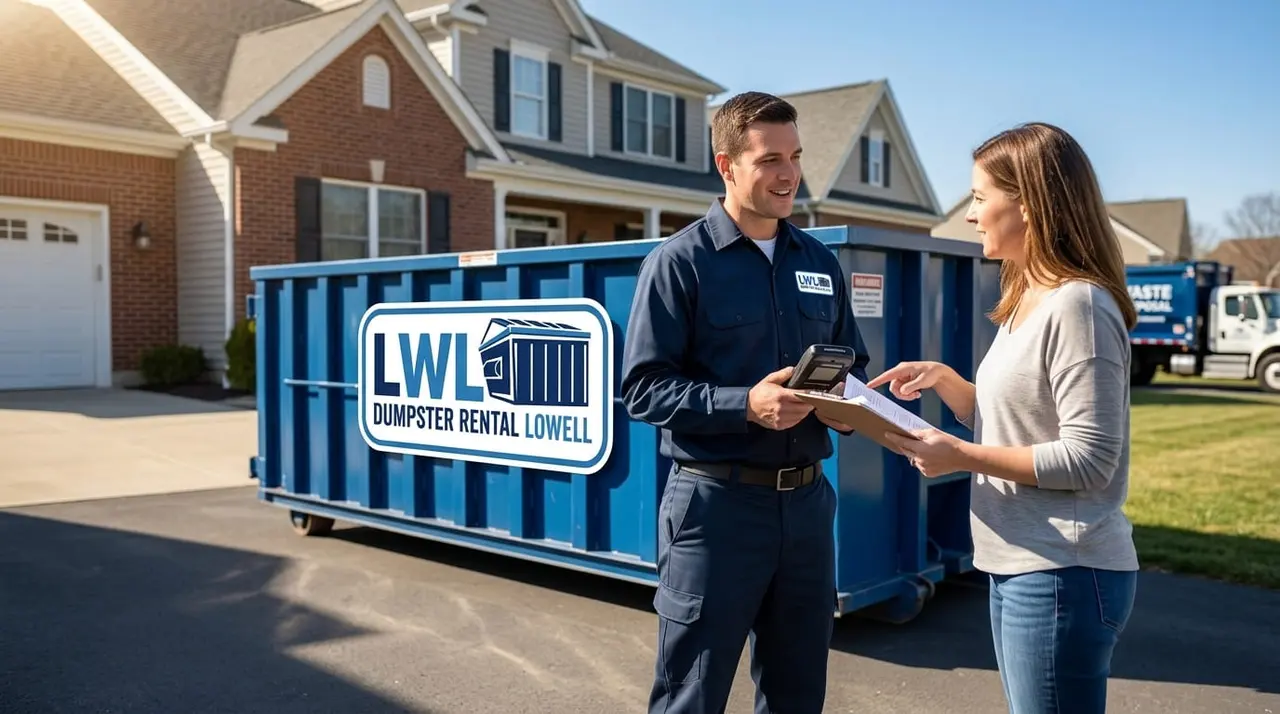
Clearing out a family home is rarely just a logistics project. Whether you're settling an estate after a loss, helping a parent downsize out of a triple-decker in Centralville, or emptying a longtime family house in Belvidere or the Highlands, the work is physical and the timeline is real — but it's also emotional, and it deserves to be handled that way. This checklist is meant to slow things down just enough: to give you a clear order of operations, so decisions about what to keep, donate, or haul away don't have to be made in a rush or all at once.
We've put this together from years of helping Lowell-area families through exactly this kind of project with estate cleanout dumpster service. Nothing here requires a form or an online quote — if you want to talk through your specific situation, a phone call gets you a real answer, not a script.
The single biggest source of stress in an estate cleanout is treating it like it has to happen in one exhausting weekend. It doesn't, and trying to rush it usually means good things get thrown away and difficult items get avoided entirely. A more workable approach is to break the home into phases and give each one its own window:
If the home is under real time pressure — a closing date, a lease deadline, an out-of-state family member's limited visit — this same order still applies, just compressed. The sequence matters more than the pace.
It also helps to accept, up front, that some rooms will take longer than others. A home office full of paperwork or a bedroom that hasn't been touched since a loved one passed often needs more time than a garage or a linen closet, and that's normal. Give yourself permission to close the door on a hard room for a day and come back to it, rather than forcing a decision you're not ready to make. There's no penalty for pacing the emotional work differently from the physical work — they don't have to move at the same speed.
Before anything leaves the house, everything gets sorted into one of four categories. Keeping this simple prevents the kind of decision fatigue that leads to either keeping too much or tossing things that mattered.
A short checklist table can help keep this straight while you're working room to room:
| Category | Typical Items | Best Next Step |
|---|---|---|
| Keep & Preserve | Photos, documents, jewelry, heirlooms | Set aside first, before anything else is touched |
| Donate | Furniture, clothing, books, working appliances | Local donation center or scheduled pickup |
| Sell or Appraise | Antiques, tools, collectibles | Estate sale company or trusted appraiser before the cleanout continues |
| Hazardous — Handle Separately | Paint, solvents, propane, car batteries, motor oil | Household hazardous waste collection — never the dumpster |
| Waste-Ban Materials | Mattresses, box springs, textiles, electronics, metal | Recycle per Massachusetts rules, separate from general debris |
| Dumpster-Ready | Broken furniture, general debris, non-hazardous trash | Straight into the roll-off once sorting is done |
This is the part of an estate cleanout that trips up even careful families, because these items are common in almost every home and none of them belong in a dumpster. Massachusetts treats household hazardous waste seriously, and older homes in particular — the kind with a basement workshop or a garage that hasn't been cleaned out in decades — tend to have more of it than people expect.
The Massachusetts Department of Environmental Protection publishes a straightforward guide to sorting exactly this kind of material safely — it's worth a quick read before the dumpster arrives: Safely Manage Household Hazardous Products (Mass.gov).
Massachusetts also bans several common items from regular trash and dumpster disposal entirely, including mattresses, box springs, and textiles as of a 2022 rule change, along with construction debris, metal, and yard waste that need their own recycling stream. Our Middlesex County landfill and recycling guide walks through where these materials actually go, and the state's own list is here: MassDEP Waste Disposal Bans.
Once the keep, donate, sell, and hazardous piles are handled, what's left is usually straightforward: broken or worn furniture, damaged rugs and mattresses beyond donation condition (bagged per waste-ban rules), general household clutter, old carpeting, and non-hazardous debris from clearing out a garage or basement. If the cleanout overlaps with a light demolition project — pulling out an old built-in, removing damaged flooring — that debris fits too. For anything closer to a true renovation, our estate cleanout dumpster page and junk removal vs. dumpster rental guide can help you figure out which service actually fits the scope.
One thing worth deciding early: whether a dumpster makes sense at all, or whether a smaller junk removal visit is the better fit. A one-bedroom apartment cleanout or a home where most of the volume was already donated may not need a full roll-off sitting in the driveway for a week. A larger single-family home almost always does. Either way, it's a quick conversation, not a complicated one.
Estate cleanouts are one of the harder projects to size correctly, because volume tends to hide in closets, attics, and basements until it's actually out in the driveway. As a general guide for the Lowell area:
Our full dumpster size guide breaks down dimensions and typical loads in more detail, and the 15-yard and 20-yard pages cover the two sizes most estate cleanouts land on. If you're not sure which one fits your situation, our sizing guide or a quick phone call can usually settle it faster than guessing.
Lowell has real, local options for donated furniture, clothing, and household goods, and using them keeps usable items out of the dumpster and in the hands of people who need them. The City of Lowell maintains a helpful list of where new and gently used items can go: Donation Resources — City of Lowell. The Salvation Army's Lowell Corps and regional thrift operations also accept furniture and household goods, often with scheduled pickup for larger items, which is worth arranging before the dumpster shows up so nothing usable ends up tossed out of convenience.
Give donation pickups a few extra days of lead time during busy stretches — spring and the UMass Lowell move-out season in May tend to book donation trucks up quickly across the city, from Downtown to Pawtucketville.
Where the dumpster actually sits matters, especially on the narrower streets common in neighborhoods like The Acre or Back Central. If it needs to sit on the street rather than a driveway, Lowell requires a permit — our permit and street placement guide covers exactly what that involves and how far ahead to apply. If the home is a rental property being turned over rather than a family residence, our renter turnover cleanout guide covers some of the same ground from a landlord's perspective.
A few practical notes worth planning around: keep pathways to the dumpster clear for anyone helping haul, protect driveways with plywood if the surface is older or already cracked, and confirm ahead of time whether the property has any parking restrictions that would affect delivery. None of this is complicated, but it's easier to get right with a quick phone call than to sort out after the truck has already arrived.
There's no version of an estate cleanout that isn't at least a little hard. But it doesn't have to be chaotic. Sorting first, handling hazardous items correctly, donating what still has life in it, and sizing the dumpster to the actual scope of the home — in that order — turns an overwhelming project into a manageable one. When you're ready for the dumpster itself, LWL Dumpster Rental serves Lowell and the surrounding Middlesex County communities with straightforward scheduling and no pressure to rush a process that deserves some patience. Call us at (978) 848-1596 when you're ready, or anytime you just want to talk through timing before committing to a date.
Talk to a real person
Call and describe the job. Flat price, stated tonnage, and a delivery time on the same call.
Mon–Sat 7:00am – 7:00pm
From this guide
It depends heavily on the size of the home and how much sorting is involved, but most single-family estate cleanouts take two to four weeks when spread across the phases in this checklist — walk-through, sorting, donating, and finally disposal. Rushing it into a single weekend is possible but tends to mean rushed decisions.
Most full home estate cleanouts in Lowell land on a 20-yard dumpster, though a smaller single-floor home with a lot donated beforehand can work with a 15-yard. Larger properties or homes with decades of accumulated belongings sometimes need a 30-yard. Our team can help size it over the phone based on the home's layout.
No. Massachusetts bans mattresses, box springs, and textiles from regular disposal — they need to be recycled separately. Paint, solvents, and other household chemicals are hazardous waste and must go through a household hazardous waste collection, not a dumpster. See MassDEP's guidance linked above for the full list.
The City of Lowell maintains a donation resource list covering local options, and the Salvation Army's Lowell Corps accepts furniture and household goods, often with pickup available for larger items. Scheduling donation pickups a few days ahead of the dumpster delivery helps make sure usable items don't get tossed out of convenience.
Only if the dumpster needs to sit on the street rather than a driveway. Lowell requires a street placement permit in that case. Our permit and street placement guide covers how far in advance to apply and what the city requires.
Keep reading
A practical guide to sizing a roofing tear-off dumpster in Lowell by roof squares, single- vs. multi-layer shingle weight, and seasonal roofing demand.
ReadSame-day dumpster delivery in Lowell comes down to three things a caller can control and a few conditions no hauler can promise around: here's how LWL makes it work and where it honestly can't.
ReadJunk removal and dumpster rental both clear out a Lowell property, but the right pick depends on how much you're hauling and whether you'd rather pay for labor or supply your own.
Read